Pull developing Ilford HP5 Plus black and white film in Arista Premium Liquid Developer
A few months ago I revisited developing black and white film. One method I am working with is pull developing or pull processing. A lot of photographers like to push process their b&w film, whereby you shoot your film at higher ISO speed than the manufacture recommended speed. A good example would be shooting Ilford HP or Kodak Tri-X at 1600 instead of 400. This allows the photographer to shoot photos in much lower light conditions. By rating the film at the higher speed the film is then under exposed. To compensate for less light reaching the film it is then developed for a longer period of time than the film developer recommends for that film at the rated box speed. This will vary on the type of film developer and temperature.
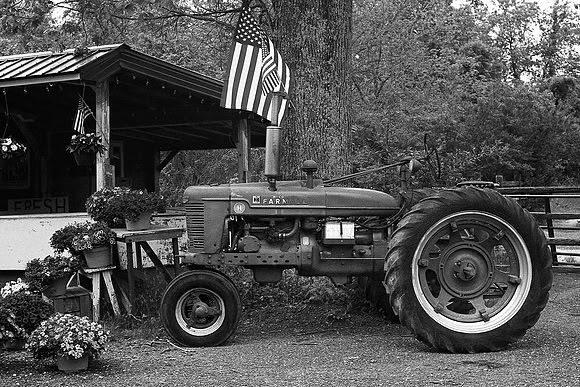 
|
| Illford HP5 Developed in Arista Premium Liquid film dev. 1:14 dillution 7min |
I though am doing just the opposite. I am letting more light reach the film than recommended and developing it for a shorter time or diluting the strength of the developer solution. In this blog I have shot a few rolls of Ilford HP5 and instead of shooting it at the box rated speed of ISO 400 I am shooting it at 200. Upon some research, it seems that by doing this I will get a bit more latitude out of the film. This seems to work nice, especially with bright contrasty situations. I may also be getting slightly less grain but I have not shot enough rolls to confidently confirm that. My understanding is that you will also loose a bit of contrast, that's the trade off for gaining a bit more latitude. I believe I am finding that to be the case. No worries though I can always add a bit of contrast back in Lightroom or Photoshop
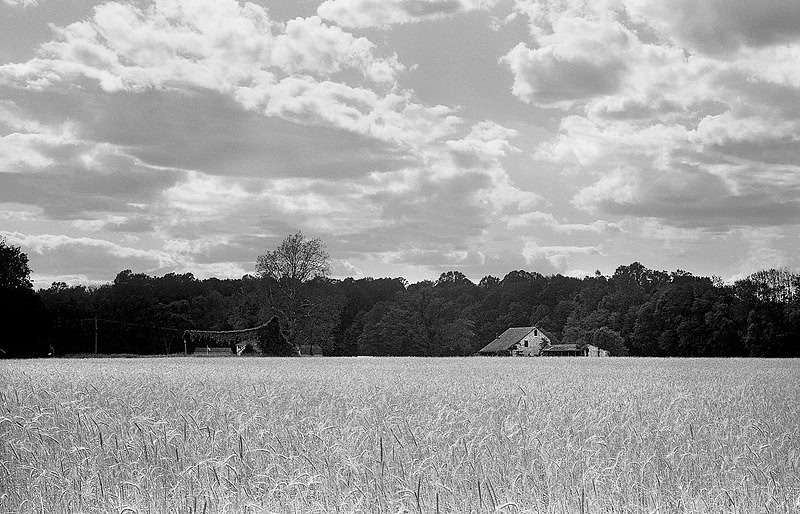
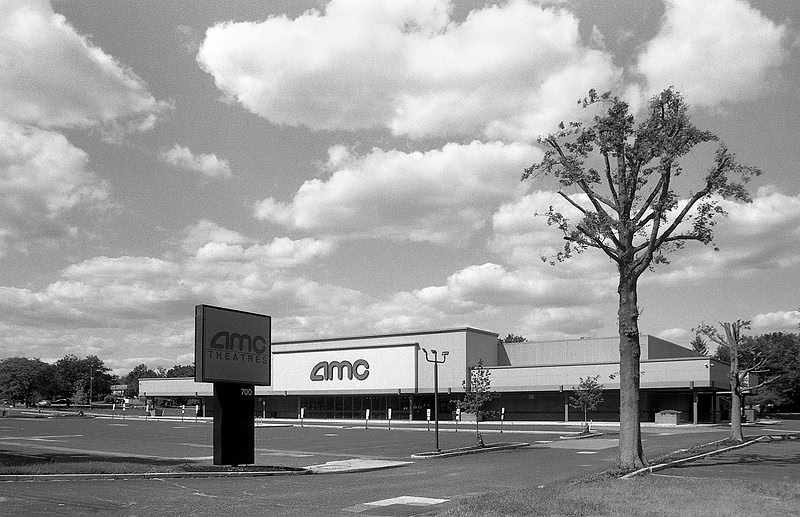
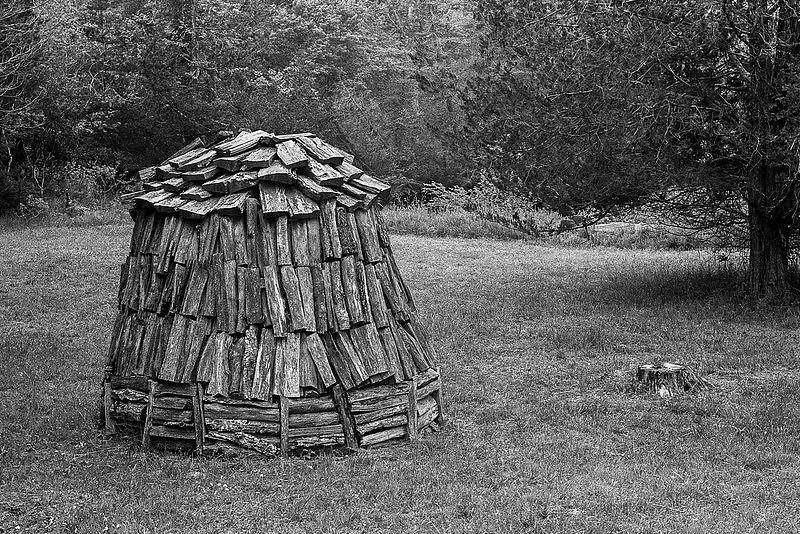
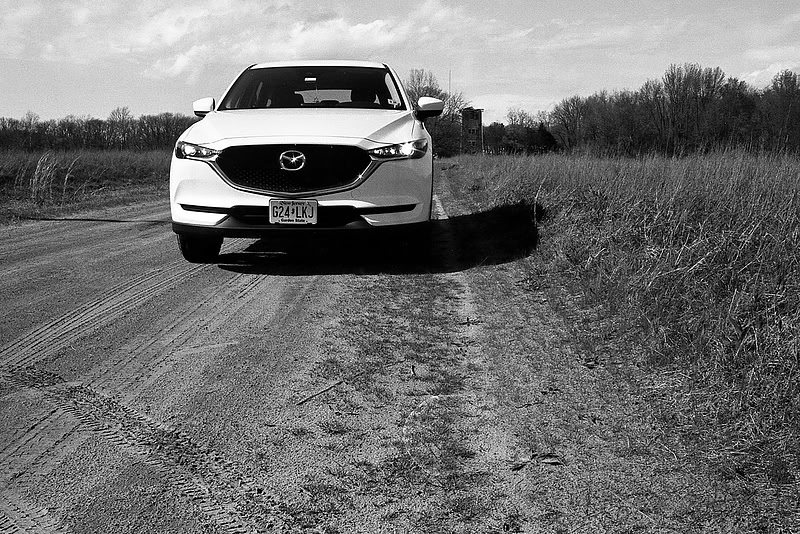
The following group of photos are a shot on Ilford HP5 rated at 200 ISO instead of 400. I am using Arista Premium liquid film developer at 68 degrees. The manufacture recommends at that temperature a 7 minuet developing time while diluting 1 part developer to 9 parts water at the box rated speed of 400. Since I over exposed the film I will need to shorten the developing time or make the dilution weaker. I chose to change the dilution from 1:9 to 1:14 instead. Below are some of my results.
|
|
|
|
 Click here to view more photos
 |
Thanks for viewing.